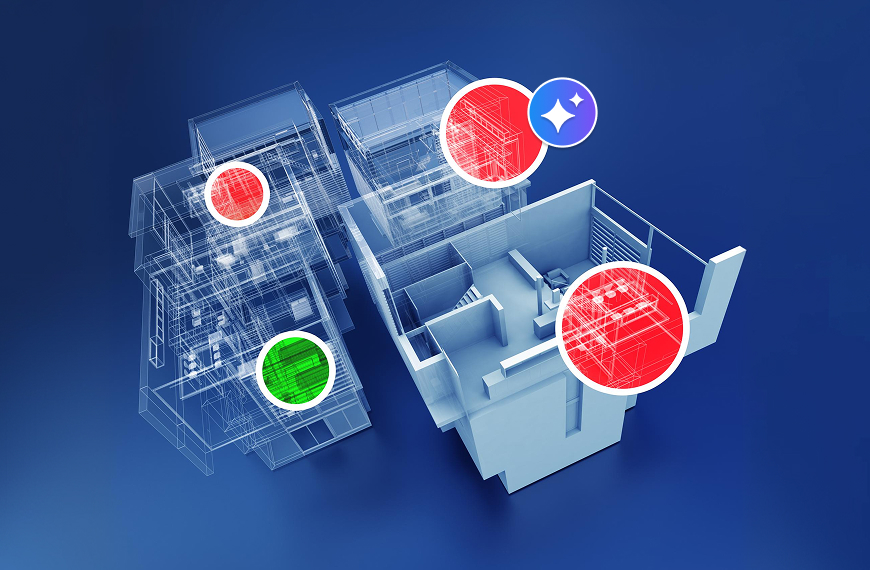
Every building project tells two stories. There is the story you see on paper, where every pipe, duct, and conduit fits together perfectly. Then there is the story that unfolds on site, where a plumbing riser runs straight through an HVAC duct, a cable tray blocks a fire sprinkler line, and the structural beam sits exactly where the electrical conduit was supposed to go.
These are called clashes, and they are one of the most expensive problems in the construction industry today. Rework caused by undetected design conflicts costs the global construction sector billions of dollars every single year. Projects get delayed, budgets balloon, and relationships between architects, engineers, and contractors get strained beyond repair.
The traditional approach to finding these conflicts has always been reactive. Teams build their models, run a clash detection report, and then spend days or weeks sorting through hundreds of false positives and genuine conflicts. It is tedious. It is slow. And by the time the real clashes are found, significant design effort has already gone into work that needs to be redone.
That is exactly why AI clash detection in MEP coordination is becoming such a critical capability for modern AEC firms. Instead of waiting for conflicts to surface, intelligent systems now predict where clashes are likely to happen, flag them in real time, and even suggest optimized rerouting solutions before any rework becomes necessary.
In this guide, we will walk through how clash detection works in MEP projects, why traditional methods fall short, and how AI is transforming the entire coordination process from a painful bottleneck into a streamlined, proactive workflow.
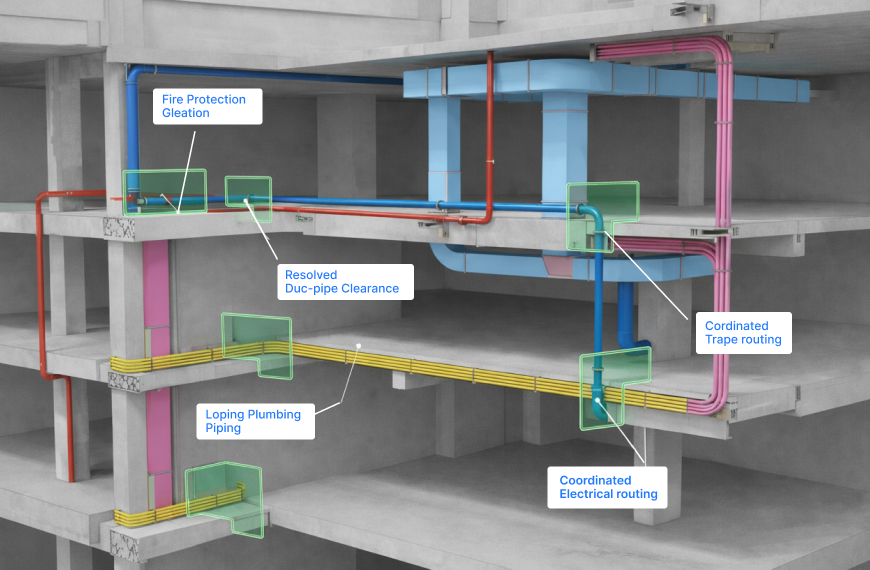
Clash detection is the process of identifying physical conflicts between different building systems within a 3D model. In MEP (Mechanical, Electrical, and Plumbing) projects, this is particularly challenging because you are dealing with multiple interconnected systems that all need to share the same physical space inside walls, ceilings, floors, and utility shafts.
Think about what happens inside the ceiling of a typical commercial office floor. You have HVAC supply and return ducts running in one direction. Electrical cable trays are routed alongside them. Plumbing pipes for the restrooms above are dropping through that same space. Fire sprinkler lines need clear coverage across the entire floor. Structural beams and columns limit where anything can actually go.
When these systems are designed independently by different engineering teams, conflicts are almost guaranteed. A mechanical engineer designs ductwork based on airflow requirements without knowing exactly where the electrical team plans to run their conduit. The plumbing designer routes drainage pipes based on fixture locations without seeing the structural framing layout. Each team is doing their job correctly in isolation, but the combined result creates dozens or even hundreds of physical overlaps.
The financial impact of undetected clashes is staggering. Industry research consistently shows that rework accounts for a significant percentage of total project costs in commercial construction. Most of that rework traces back to coordination failures between disciplines, and those failures trace back to clashes that were discovered too late in the process.
Beyond cost, there is the schedule impact. Every clash that is discovered during construction means a change order, a redesign cycle, and a delay while the fix is implemented. On fast-track projects where multiple trades are working simultaneously, a single unresolved clash can create a domino effect that pushes the entire project timeline back by weeks.
This is why effective clash detection is not a luxury. It is a fundamental requirement for delivering buildings on time and on budget. DesignDrafter's BIM Automation tools are built around exactly this need — keeping coordination proactive and projects on track.
Most AEC firms today use some form of clash detection within their BIM workflow. Tools like Autodesk Navisworks and Solibri have been industry standards for years. They work by overlaying 3D models from different disciplines and identifying points where geometry intersects.
The technology works. The problem is how it works in practice.
A typical clash detection run on a mid-size commercial project generates hundreds, sometimes thousands, of clash reports. Many of these are "soft clashes" where elements are close but not actually conflicting. Others are "false positives" caused by modeling conventions like pipes passing through sleeves, which are intentional penetrations rather than actual conflicts. Sorting through this noise to find the genuine, critical clashes requires significant manual effort.
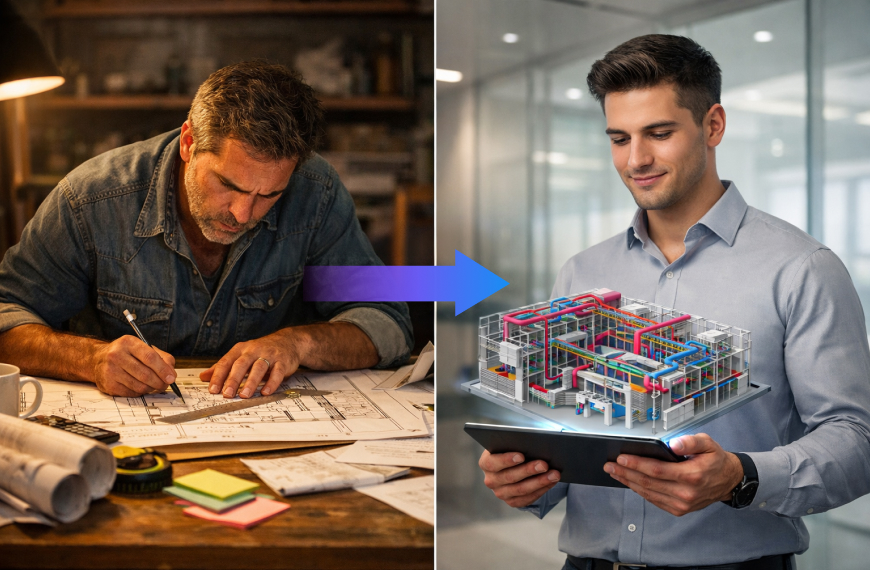
Traditional clash detection is a batch process. Teams build their models, combine them at coordination meetings (often weekly or biweekly), run the detection, review the results, assign responsibility for each clash, redesign the affected areas, and repeat. This cycle means that clashes are always discovered after the fact. By the time a conflict is identified, both teams have already invested considerable effort in their respective designs.
There is also the expertise bottleneck. Interpreting clash detection results and determining the best resolution requires experienced BIM coordinators who understand all the disciplines involved. These professionals are in high demand and short supply, which means many firms either lack sufficient coordination capacity or depend on a small number of individuals whose availability becomes a project risk.
Finally, traditional tools tell you where the problem is, but they do not tell you how to fix it. The clash report says "Duct X intersects Pipe Y at this location." It does not evaluate the best resolution path, consider the downstream impacts of rerouting either element, or suggest an alternative route that avoids conflicts with other systems in the area. That analysis is left entirely to the human coordinator.
All of these limitations add up to a process that catches problems too late, requires too much manual effort, and lacks the intelligence to proactively prevent conflicts before they become expensive.
AI-powered clash detection represents a fundamental shift from reactive conflict identification to proactive conflict prevention. Instead of running batch reports after models are built, intelligent systems continuously monitor the design as it evolves and intervene before conflicts become entrenched.
Here is how the technology works across the coordination lifecycle.
Unlike traditional batch-based detection, AI systems analyze the 3D model continuously as changes are made. When a mechanical engineer adjusts a duct route, the system immediately evaluates the new path against all other building systems in real time. If the change creates a conflict, the designer knows about it within seconds rather than discovering it at the next coordination meeting.
This real-time feedback loop is transformative because it keeps clashes from ever forming in the first place. Designers can make informed routing decisions as they work rather than designing in isolation and hoping everything fits together later.
One of the biggest problems with traditional clash detection is the volume of results and the difficulty of separating critical conflicts from minor ones. AI solves this through intelligent classification.
The system understands the difference between a hard clash (where two solid elements physically occupy the same space), a clearance violation (where elements are too close for maintenance access or code compliance), and an acceptable condition (like a pipe passing through a designated sleeve). It automatically filters, categorizes, and prioritizes clashes based on severity, affected systems, and potential impact on project cost and schedule.
This means coordination teams spend their time on the conflicts that actually matter rather than wading through hundreds of false positives.
This is where AI truly separates itself from conventional tools. Beyond detecting existing clashes, AI systems analyze design patterns and spatial constraints to predict where future conflicts are likely to occur.
For example, if the system recognizes that a utility shaft is already congested with mechanical and plumbing routing, and an electrical design is underway for the same zone, it can flag the area as a high-risk coordination zone before any clash actually exists. This gives teams the opportunity to proactively coordinate their designs in that area rather than discovering problems after the fact.
Finding the clash is only half the battle. Resolving it efficiently is where the real value lies. AI systems evaluate multiple resolution options by considering factors like routing constraints, system performance requirements, clearance standards, and the impact on adjacent building systems.
Rather than simply telling you that Duct A and Pipe B intersect, the system can suggest that rerouting the duct three inches to the east resolves the conflict without creating new clashes with the cable tray above or the structural beam behind it. This analysis, which might take a human coordinator thirty minutes or more, happens almost instantly. DesignDrafter's Clash Resolution feature is built around exactly this kind of intelligent, automated fix.
AI clash detection platforms understand the relationships between different building systems in a way that goes beyond simple geometry checking. They know that moving an HVAC duct affects airflow distribution, that rerouting a plumbing drain changes slope requirements, and that relocating an electrical conduit has implications for cable pull distances and voltage drop.
This system-level awareness means that resolution suggestions are not just geometrically valid but also functionally appropriate. The fix actually works in practice, not just in the model.
The impact of intelligent clash detection extends across every role in the AEC project delivery chain.
MEP Consultants gain the most direct benefit because their work involves the most complex coordination challenges. When electrical, mechanical, plumbing, and fire protection systems all need to coexist in tight ceiling plenums and utility shafts, AI clash detection prevents the endless revision cycles that consume engineering hours and erode project margins.
Architects benefit because structural and architectural elements frequently conflict with MEP routing. AI systems catch these interdisciplinary clashes early, preventing costly field changes that compromise design intent. When an architect knows that a ceiling plenum can accommodate all MEP systems without conflicts, they can finalize design decisions with much greater confidence.
Contractors and EPC Firms see the most dramatic financial impact. Every clash resolved during design rather than during construction saves thousands of dollars in rework, change orders, and schedule delays. For firms that manage construction risk, AI clash detection is directly tied to profitability.
Design Firms handling multiple simultaneous projects benefit from the scalability that AI provides. Instead of depending on a limited pool of BIM coordinators to manually review every project, AI handles the heavy lifting of clash analysis and prioritization, allowing coordinators to focus on the most complex coordination decisions.
The relationship between early clash detection and project cost is not abstract. It is quantifiable.
Consider a typical scenario on a commercial building project. During construction, a subcontractor discovers that a planned HVAC duct route conflicts with an already-installed plumbing riser. The duct needs to be rerouted. This means redesigning the affected duct section, resubmitting shop drawings, waiting for approval, procuring different fittings, scheduling the installation around other active trades, and potentially delaying the mechanical rough-in for that floor.
A single clash of this type can cost tens of thousands of dollars when you factor in material waste, labor downtime, engineering revision time, and schedule compression. On a large project with hundreds of such conflicts, the accumulated cost of rework can represent a meaningful percentage of the total MEP budget.
Now compare that to catching the same clash during the design phase with AI. The conflict is identified automatically, a resolution is suggested, the engineer adjusts the route in minutes, and the corrected design flows through to construction documents. Total cost of resolution: a few minutes of engineering time. No material waste. No field delays. No change orders.
This is why firms that invest in AI clash detection consistently report dramatic reductions in construction rework costs. The technology pays for itself many times over on a single project. Tools like DesignDrafter's Smart BIM Automation are designed to deliver exactly this kind of ROI — resolving coordination issues at the design stage, before they ever reach the field.
If you are evaluating clash detection tools for your practice, there are several capabilities that distinguish genuinely intelligent systems from basic geometric checking tools.
Real-time detection is essential. If the system only runs clash checks as batch reports, you are still working with the reactive model. Look for tools that provide continuous feedback as designers work.
Cross-discipline support matters enormously. The tool needs to handle architectural, structural, mechanical, electrical, plumbing, and fire protection models simultaneously. Single-discipline tools miss the interdisciplinary conflicts that cause the most expensive rework. DesignDrafter's design calculation engine covers electrical, HVAC, plumbing, and fire systems in a unified environment.
Intelligent classification and filtering should be built in. If the tool generates thousands of results without helping you prioritize which ones matter most, it is creating work rather than reducing it.
Resolution intelligence separates the best tools from the rest. Does the platform just identify clashes, or does it suggest how to fix them? The ability to evaluate and recommend rerouting options is where the real time savings come from.
Integration with your existing BIM tools is non-negotiable. The clash detection platform should work seamlessly with the modeling software your team already uses, whether that is Revit, AutoCAD, or IFC-based workflows. If adoption requires your team to change their design tools, the friction will undermine the benefits. DesignDrafter integrates natively with Revit and AutoCAD, including direct CAD-to-Revit conversion workflows.
The AI clash detection tools available today are impressive, but they represent just the beginning of what intelligent coordination will look like in the coming years.
Expect to see deeper integration between clash detection and automated design optimization, where the system does not just find and fix conflicts but proactively designs MEP routing that avoids conflicts from the start. Generative routing algorithms will explore thousands of possible paths for every duct run, pipe route, and conduit path, selecting the option that minimizes conflicts, optimizes system performance, and reduces material costs simultaneously.
This is the direction DesignDrafter's AI Design Agent is heading — an intelligent co-pilot that doesn't just assist with design decisions but executes complex coordination tasks end to end.
We will also see tighter connections between clash detection and construction scheduling, where the system understands not just spatial conflicts but temporal ones. It will identify cases where two trades are scheduled to work in the same area at the same time and flag the coordination risk before it becomes a field problem.
For firms in the AEC industry, the message is clear. The technology for proactive, intelligent clash detection is here now, and it is rapidly becoming a competitive necessity rather than an optional upgrade.
AI clash detection in MEP coordination is not just a better version of the tools we have used for years. It is a fundamentally different approach to how buildings are coordinated and delivered.
Instead of waiting for problems to surface, AI prevents them. Instead of generating overwhelming clash reports that require days of manual review, it prioritizes the conflicts that matter and suggests how to resolve them. Instead of treating coordination as a periodic checkpoint, it makes it a continuous, integrated part of the design process.
For MEP consultants, architects, contractors, and design firms, the benefits are tangible and immediate. Fewer construction rework costs, shorter project timelines, better collaboration between disciplines, and the confidence that comes from knowing your design is clash-free before it ever reaches the construction site.
If your team is ready to move from reactive coordination to proactive, AI-powered clash prevention, DesignDrafter is built for exactly that. The firms that embrace this technology now will set the standard for project delivery in the years ahead.
FAQ

AI clash detection is an intelligent technology that automatically identifies physical conflicts between mechanical, electrical, plumbing, and fire protection systems in a 3D building model. Unlike traditional tools that only find clashes after models are complete, AI systems detect conflicts in real time and can predict where future clashes are likely to occur, helping teams prevent costly rework before construction begins.
Traditional tools like Navisworks run clash detection as a batch process, generating large reports that require manual sorting and interpretation. AI clash detection works continuously in real time, automatically classifies and prioritizes conflicts by severity, filters out false positives, and suggests optimized resolution paths. This proactive approach catches problems earlier and resolves them faster.
The savings vary based on project size and complexity, but construction rework caused by design clashes typically accounts for a significant portion of project budgets. By catching and resolving conflicts during the design phase rather than during construction, firms can reduce rework-related costs dramatically. A single resolved clash that would have required field rework can save thousands of dollars in materials, labor, and schedule recovery.
Yes. Modern AI clash detection platforms are designed to integrate with industry-standard tools and file formats, including Revit, IFC, and DWG files. The best platforms work alongside your existing design software rather than requiring you to adopt an entirely new toolset.
While the benefits are most dramatic on large, multi-discipline projects with tight coordination requirements, even smaller projects benefit from automated clash checking. Any project with overlapping MEP systems, whether it is a mid-rise office building or a healthcare facility, carries clash risk that AI can identify and resolve efficiently.
No. AI handles the time-consuming work of identifying, classifying, and suggesting resolutions for design conflicts. But experienced BIM coordinators still play a vital role in making final coordination decisions, managing stakeholder communication, and addressing complex design challenges that require human judgment and cross-discipline expertise.
Most teams notice immediate improvements in their coordination workflow. The reduction in manual clash report review time is significant from the first project. Over time, as designers become accustomed to the real-time feedback, the volume of clashes generated during design drops substantially because teams learn to design more collaboratively with continuous AI guidance.
May 25 , 2026
May 29 , 2026
May 6 , 2026