From product discovery to procurement, put your HVAC, electrical, plumbing and fire fighting products in front of the professionals who specify them.

Low visibility with specifying engineers
Outdated catalogs and scattered spec sheets
Certifications lost in generic listings
Slow manual RFQ cycles
No signal on real project demand
Your products surface inside the comparison tool specifiers already use to shortlist equipment.
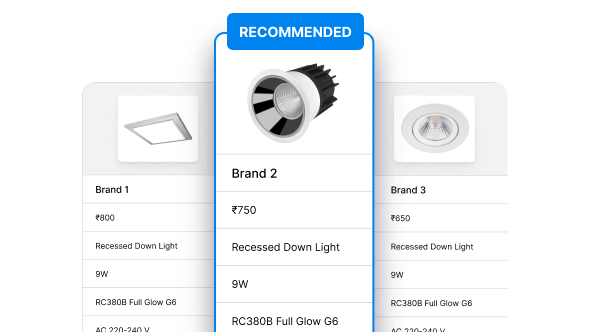
One accurate profile feeds specs, pricing and availability into every comparison.
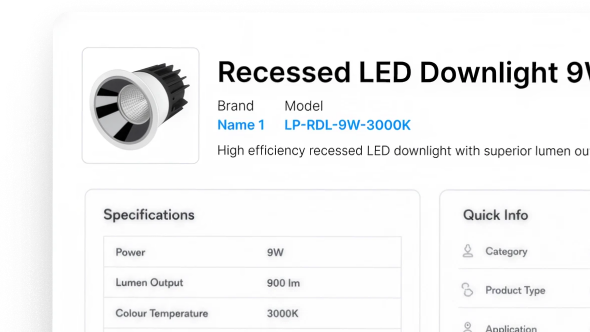
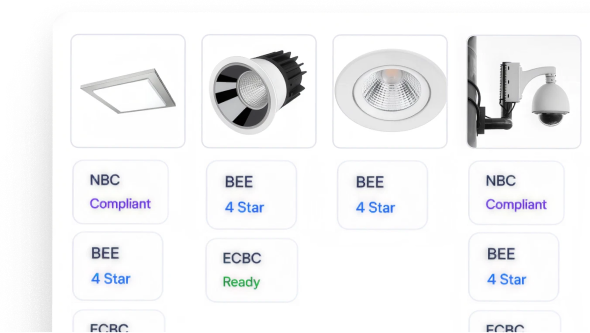
BEE, ECBC, NBC and NFPA certification status is flagged so compliant products stand out.
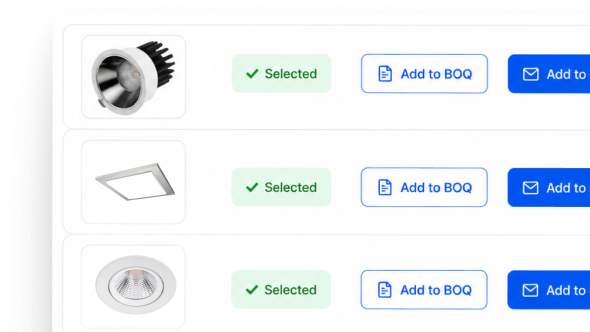
Selected products carry straight into BOQs and RFQ-ready specification documents.
Blogs

March 27 , 2026
In this guide, how platforms like DesignDrafter’s Building Design Calculation engine are helping engineers move from concept to validated design in a fraction of the traditional timeline.


April 7 , 2026
In this guide, we will walk through how clash detection works in MEP projects, why traditional methods fall short.

April 8 , 2026
In this guide, we will explore what digital twins actually are, how they work in a construction context, the real benefits they deliver for building owners and facility managers.

Manufacturers get their products listed in DesignDrafter’s comparison tool by submitting structured product data, including technical specifications, certifications, pricing and availability, through a partnership arrangement with the DesignDrafter team. Once live, the profile becomes visible to every architect, MEP consultant and EPC contractor running a comparison in that equipment category.
Most Indian manufacturers currently reach specifiers through distributor networks and direct sales relationships, which works for existing accounts but does little for the engineer comparing five brands against a project brief who has never worked with a smaller or regional manufacturer before.
A listed profile puts that manufacturer’s specifications, compliance status, pricing and availability on the same screen as established national and international brands, at the exact moment the specifier is deciding. To start the listing process, reach the DesignDrafter team through the contact page.
DesignDrafter surfaces manufacturer products directly inside the Technical Product Comparison tool, the same workflow architects, MEP consultants and EPC teams use once their design calculations define a capacity, efficiency or compliance requirement for a piece of equipment.
Rather than a specifier searching separate brand websites and vendor portals, the platform pulls matching products from multiple manufacturers into one side-by-side comparison, filtered by the project’s building type, location, compliance standard and budget.
A manufacturer’s product appears in that result set whenever it matches the specifier’s requirements, giving it visibility at the one moment that matters most: the point of decision, not a cold outreach call weeks earlier.
Each manufacturer maintains a single structured product profile on DesignDrafter covering specifications, pricing, certification status and availability, and that one profile feeds every comparison result, calculation-matched recommendation and export report generated on the platform.
This removes the version control problem that comes with scattered PDF datasheets, outdated distributor price lists and inconsistent spec sheets across different brand touchpoints.
When a manufacturer updates a rating, certification or price, the change reflects everywhere that product appears on the platform, so specifiers are always comparing against current information rather than a datasheet that may be several revisions old.
Yes. DesignDrafter’s comparison engine applies a specifier’s required compliance standard, such as a BEE star rating, an ECBC energy performance target or an NFPA system rating, as a filter across every product in the category, and certified products are flagged accordingly in the results.
For manufacturers who have invested in certification and independently verified performance data, this means that investment is visible at the exact point of comparison rather than buried in a datasheet the specifier may never open.
Products that do not meet the applicable minimum standard are flagged or filtered out, so manufacturers with verified compliance credentials are shown clearly ahead of generic or unverified listings in the same category.
When a specifier selects a manufacturer’s product during a comparison, that brand and model carries forward into DesignDrafter’s quantity extraction and BOQ generation module as a specified line item, rather than being replaced by a generic equipment description.
The same specified entry appears in the structured export reports specifiers generate for client presentations and procurement, which is what feeds approved vendor lists and request for quotation documents on Indian construction projects.
For a manufacturer, this means a product that wins a comparison does not stop at the comparison screen. It carries through into the actual specification and procurement paperwork the project team works from, which is the stage that leads to a purchase order.
DesignDrafter’s comparison platform covers the full range of MEP equipment specified on Indian building projects.
HVAC and mechanical categories include chillers, air handling units, fan coil units, VRF and VRV systems, split ACs, cooling towers, pumps, ventilation fans and air distribution products. Electrical categories include distribution boards, switchgear, transformers, UPS systems, LED lighting fixtures, cables and busbar trunking systems.
Plumbing categories include pipes and fittings, water heaters, pressure booster pumps, water treatment equipment and sanitary fixtures. Fire fighting categories include fire pumps, jockey pumps, sprinkler heads, fire alarm panels and hydrant systems. A manufacturer active in any of these categories can list its products in the corresponding comparison set.
Yes. DesignDrafter’s comparison tool already includes major international brands actively specified in the Indian market alongside Indian manufacturers and regional brands, so the platform is built to represent both segments side by side.
This matters for manufacturers because Indian specifiers routinely evaluate cost-sensitive or locally sourced products against established international names within the same comparison, and a level playing field where every product is judged against the same project requirements is the structural advantage a listing on DesignDrafter provides, regardless of a manufacturer’s size or country of origin.
Every comparison a specifier runs on DesignDrafter starts by defining project-specific requirements, building type, location, compliance standard and budget range, before any products are evaluated.
Because manufacturer products are filtered and ranked against those same defined requirements rather than generic marketing claims, the criteria that consistently determine whether a product is shortlisted, such as a specific certification, an efficiency threshold or a price band, become directly visible through the comparison and export reports the platform generates.
For a manufacturer, this turns the specification stage from a one-way pitch into a two-way signal of what the market is actually filtering for.
A manufacturer starts by contacting the DesignDrafter team to scope the product categories to be listed and the technical, pricing and certification data required to build a structured profile.
Once the profile is set up, the product becomes part of the live comparison set that architects, MEP consultants and EPC contractors use during specification. From there, the manufacturer’s team can review how their products are matched against project requirements and keep specifications and pricing current as they change.
Manufacturers interested in a partnership can request a demo through the contact page to see how their category currently appears in the comparison tool before listing.